
Gen Z Doesn’t Care About the End of the World
Written by Angelina Wu
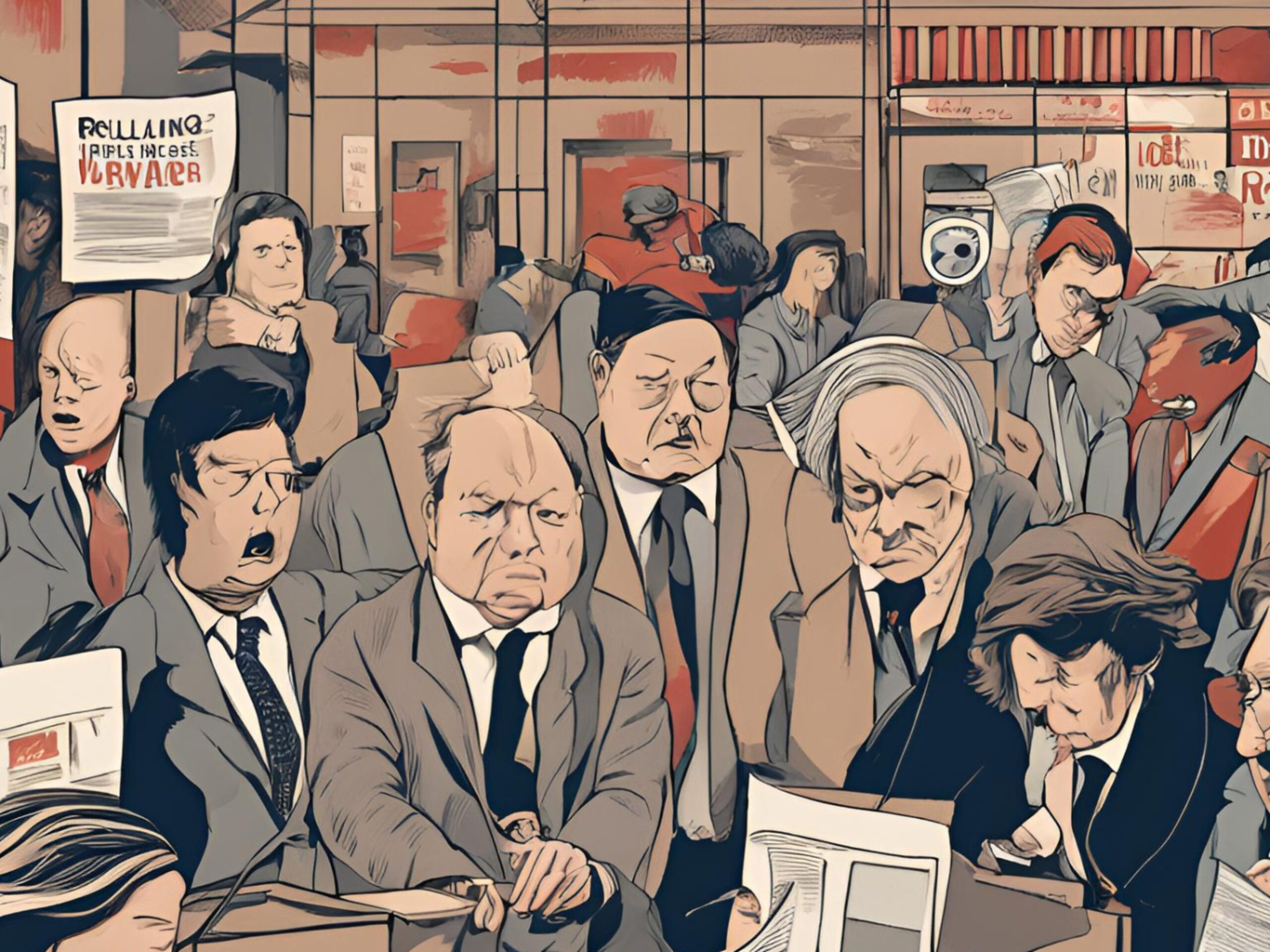
If you’ve interacted with a member of Gen Z anytime in the past few years, you probably notice that they’re a bit different. After hearing about them refusing job promotions, you might get the impression that they’re unambitious and lethargic. That they’re just coasting by, letting life happen to them. Que sera sera, whatever will be will be.
But those of you who are Gen Z may share a similar feeling as I do. That you’re just in a waiting room for the end of the world.
Earning our right to live
As a generation born in the late 90s to 2000s, we’ve grown up on the precipice of change. It’s the turn of the millenia and pop culture was booming and everything seemed to be going great! Until it didn’t.
A lot of us graduated high school and university straight into a global pandemic, one that ground the economy to a halt. Others struggle in a job market saturated by lay-offs and generative AI that threaten to take our jobs. And then the realization hits that we were forced to trade the fun of youth culture and exciting new technology with mentally debilitating isolation, only to come out of it to meet a steadily deteriorating future.
“Late-stage capitalism” is the shiny new, depressing ‘it girl’. It’s the omnipresent concept that you blame for all your problems. Gen Z can’t afford houses anymore? Applying to 200 jobs and getting ghosted every single time? Or how about work-life balance steadily becoming a myth as the boundary between ‘work’ and ‘life’ blurs more and more with each passing day?
Anxiety over financial capabilities and the future has burrowed so deeply into every young person that it feels like your future is over before it ever started. Whatever you’re planning for your future, all roads seem to lead back to an office job that barely pays you enough to make ends meet.
And as Gen Z are entering the corporate workforce, we realize that the life sold to us through workplace sitcoms and our parents’ nostalgia-tinted stories is far from the truth. Grueling schedules and normalized overtime combined with minimum wage earnings and insane commute times (especially for those of us living in Jakarta) make everything feel so… futile.
Our lives grow more expensive, but our wages stagnate. It starts to feel like you have to fight everyday at your job to earn the right to just live. Not live in luxury, not live in comfort. For a lot of people, not even to live in decency. Just to live.
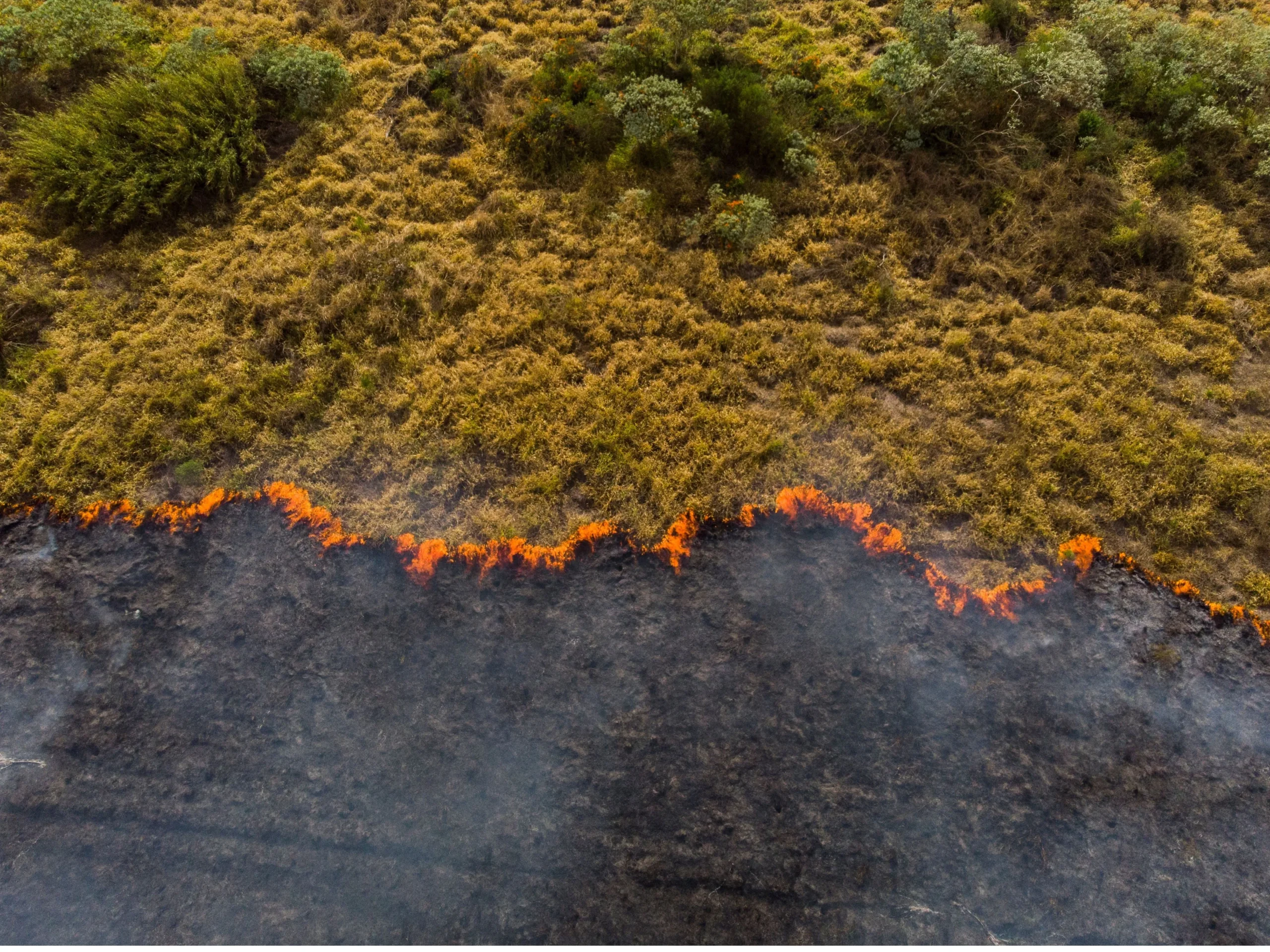
The world is burning alive
But even before that, they’ve always told us the world was ending soon. That the ozone layer had huge holes and that global temperatures would soar so high, they’d be irreversible in 50, or 30, or 20, or 10 years. They told us the ice caps were melting and that flowers were blooming in the arctic. Scientists and environmentalists scream while they cut down forests and talk about increasing investment returns and maximizing shareholder value.

They say we’re in a new era, one that some have dubbed the “anthropocene”, anthro- meaning human. A time where our influence as a species on our planet is so large that we are arguably our planet’s largest driving force. Not an ice age or supervolcano, but the industrial waste of our existence. And in our wonderful new age, about 150 species of animals go extinct each day. Even as rates slow down, we are still losing about 11 million hectares of forest every year. And every year may be the hottest summer of your lives, but don’t worry! It’s only the hottest summer so far.
So looking at a lot of this, it’s no wonder that a lot of us ended up with some flavor of nihilism tinting our view of the world. It felt pretty inevitable. How else do you cope with the idea that you may be one the last generations to live on earth before humanity causes its own extinction?
Do we still care?
Let’s put aside whether or not humanity is actually irredeemable and if we’re all going to die by 2050. If you grow up with that possibility in your head, looming over everything you do, it’s sort of inevitable that you become desensitized to it.
During and after the global pandemic, there were many of us who felt our futures were robbed from our hands. Studies showed that the younger generation were the most mentally impacted, with significantly rising trends of mental distress. A portion of us ended up with passive suicidal ideation even after the pandemic ended. You know those painfully relatable jokes where someone says they hope that when they sleep, they wake up next year? Or that they’d slip and accidentally fall onto the train tracks?
But y’know, we’d never actually do it, right? So most of us just kind of go from moment to moment, drifting like ghosts. Focusing on the current moment.
What to have for lunch? When do we think the world will end? When can I hit the gym? Do we think the regime will ever fall? Man I hope it doesn’t rain, I wanna’ get home early today.
Despair and hopelessness have become so common that they’re part of our daily routine. And so a lot of us simply don’t care anymore. The future is so doomed, maybe we have no reason to care. Or worse, the dregs of late-stage capitalism have drained our capacity to care.
Yes, we do
And yet, despite all of that, I think a lot of us still care. Gen Z still wants to care.
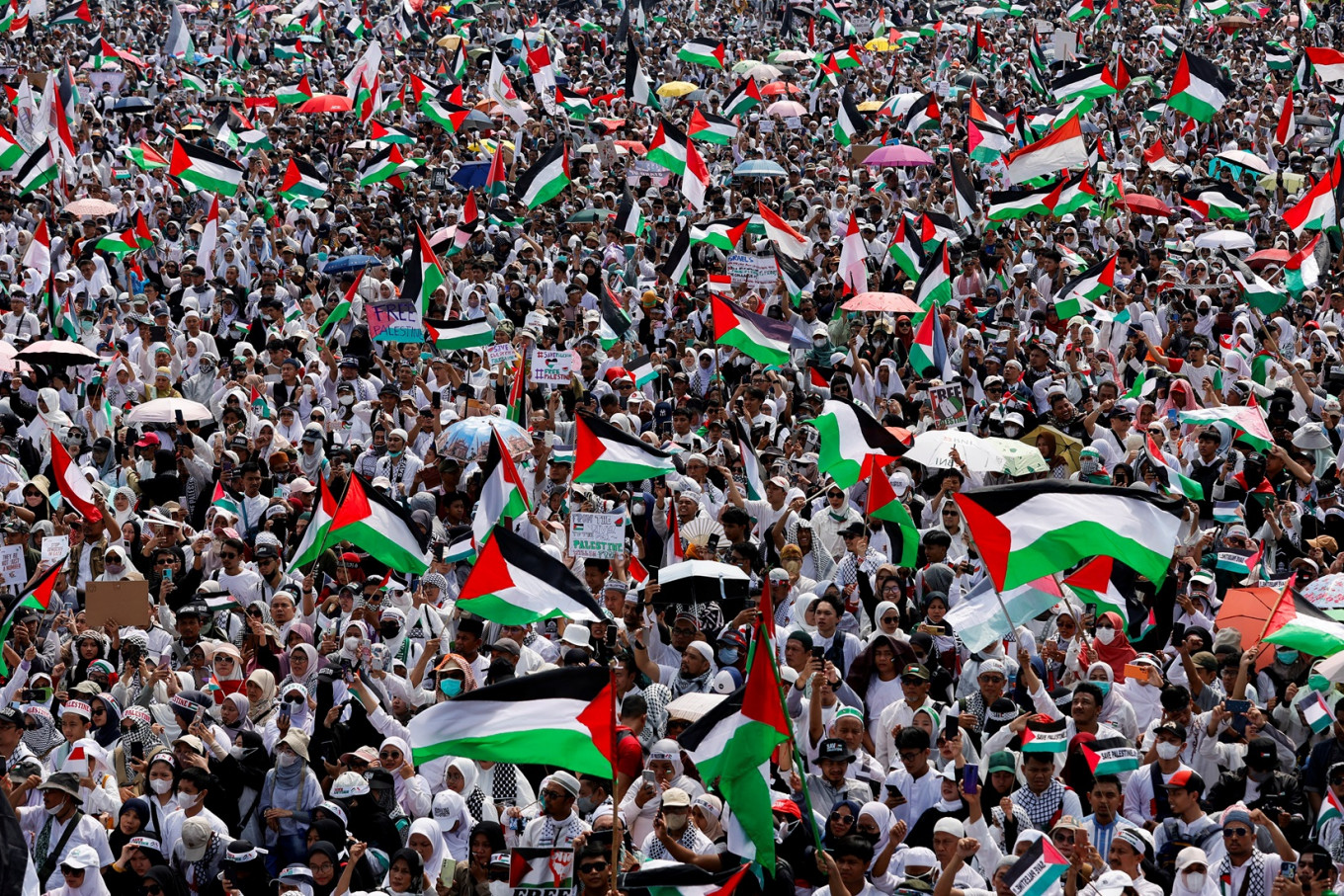
Some parts of us are angry, if not for ourselves then for each other. We look at the genocide happening to Palestinians and the injustices of our many government institutions and then take to the streets with rage and fire. We took care of and fed and protected each other when tear gas was flung into our eyes and many were trampled.
Some parts of us are tired. Of shifts and jobs and anxiety. And yet we smile when we feel the sun on our faces and when we get a seat on the bus. We laugh over food and cry over movies and wake up the next morning to do it all over again. We stand together under the dim lights of a KRL train at 6pm everyday, knowing that our days may be heavy but at least we’re not alone.
When asked about my future in 10 or 20 years, I often come up blank. Such a future not only seems so far away, but entirely impossible. And yet the apocalypse seemed like it was going to happen any day now. Maybe it’ll be another virus or nuclear war or rising sea levels that will drown us all.
But at least we have today. And we have each other.