


Why Everyone Hates Quirky Brand Social Media Marketing
Written by Angelina Wu
Social media started off as a simple platform for the average person to share photos of their lunch or jokes that they thought were funny while they’re in the shower. But slowly, after realizing that Instagram, Facebook, and Twitter are where all the cool kids went to go viral, brands began making social media accounts too.
They’re just like you!
Social media marketing is now a staple for most businesses. It helps them build up their image while seeming cool and relatable. The phenomenon truly blew up with the infamous “Wendy’s Twitter roasts“, where the Twitter account for popular fast food brand Wendy’s randomly went crazy in 2017.
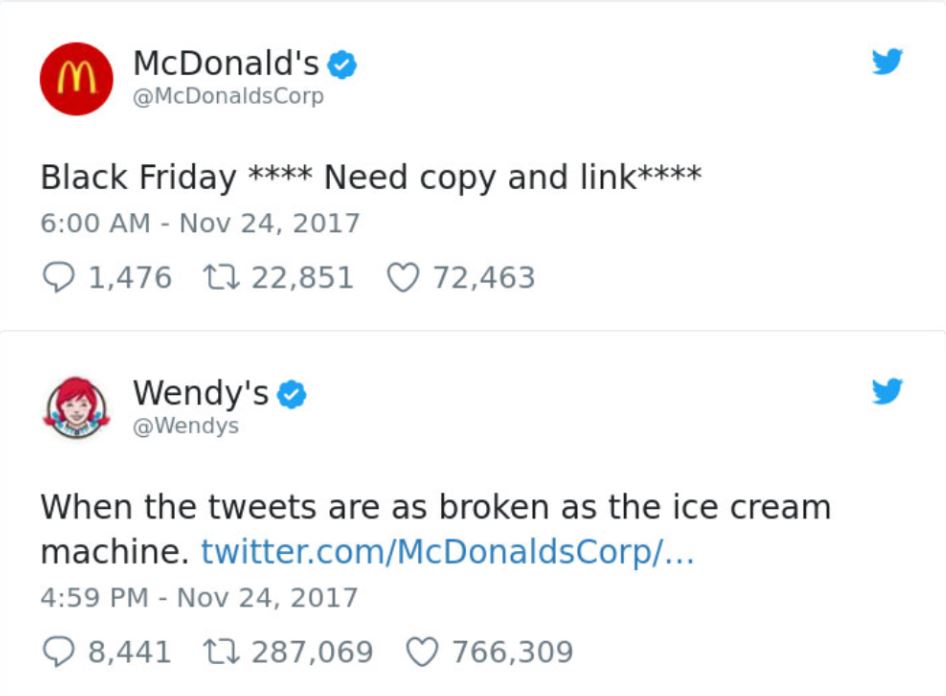
When Wendy’s dropped the professionalism and suddenly started roasting competitors and trash-talking haters on the internet, they went extremely viral. People tired of the overly-corporate tones of brand accounts “invading” our communal social media spaces suddenly felt that maybe these brand accounts can be our friends. That they’re assimilating to the culture of these social media platforms and starting to speak our language.
Aside from relating to popular online culture, this also personifies these brands. Not only are they just like you, but they’re also your friend! They’re funny and sarcastic and there’s a real person behind the screen!
A popular narrative is the “social media intern”, the thought that an individual Gen Z intern was given full control of a brand’s social media account by “out-of-touch executives” and told to go nuts. So this intern would treat the brand’s account like it’s their own; use slangs and jokes and casual language, entirely breaking the expectations for how a corporate entity should behave. Obviously, this is rarely the case, especially for big businesses.
When the facade drops
Over the years, it’s become more common knowledge that the singular “social media intern” is a myth. Big companies hire entire marketing teams and social media experts to carefully craft their online persona. A single funny, slightly spicy comment could be drafted over and over before actually being posted, and the knowledge of that makes everything feel way too artificial. And slowly but surely, the quirky brand account gimmick stops working.
With a combination of oversaturation (literally everyone started doing it, so it stopped being cool) and reality peeking through, the facade began dropping. Soon everyone grew tired and cynical of brands trying to interact as if they’re real people. It felt like you were being lied to, because we all know you’re still a brand trying to sell us something, even if it’s indirectly. Especially with the internet steadily turning into an advertiser-friendly, glorified billboard, people were very tired of advertising.
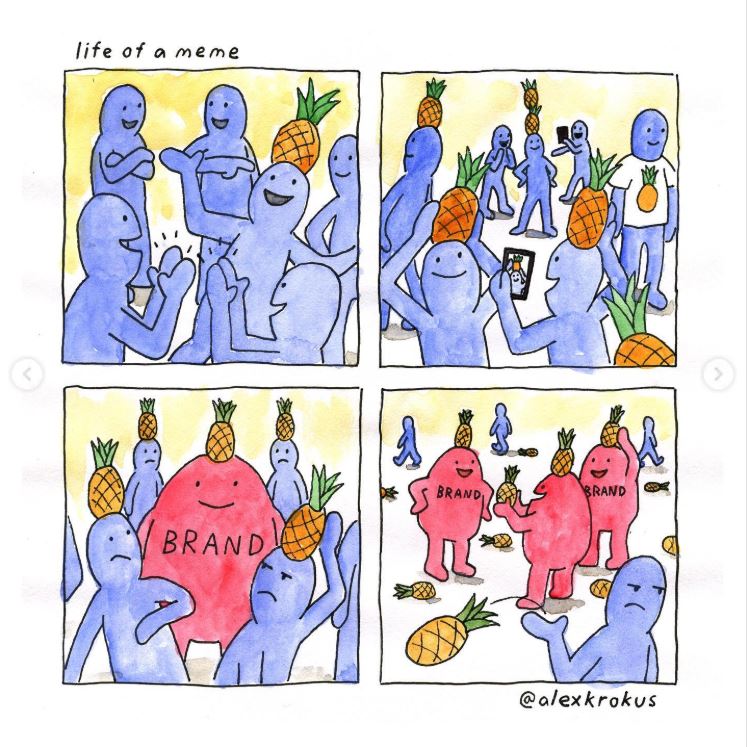
Not only that, people are increasingly more aware of a brand’s dark secrets. Ethical stances like brands supporting Israel in the Palestine genocide or actively destroying the environment are no longer easy to sweep under the rug. As soon as the internet finds out, they may never forget, leading to boycotts and protests that could impact a business. And usually, their first step is to harass the brand where they are most easily reached: social media.
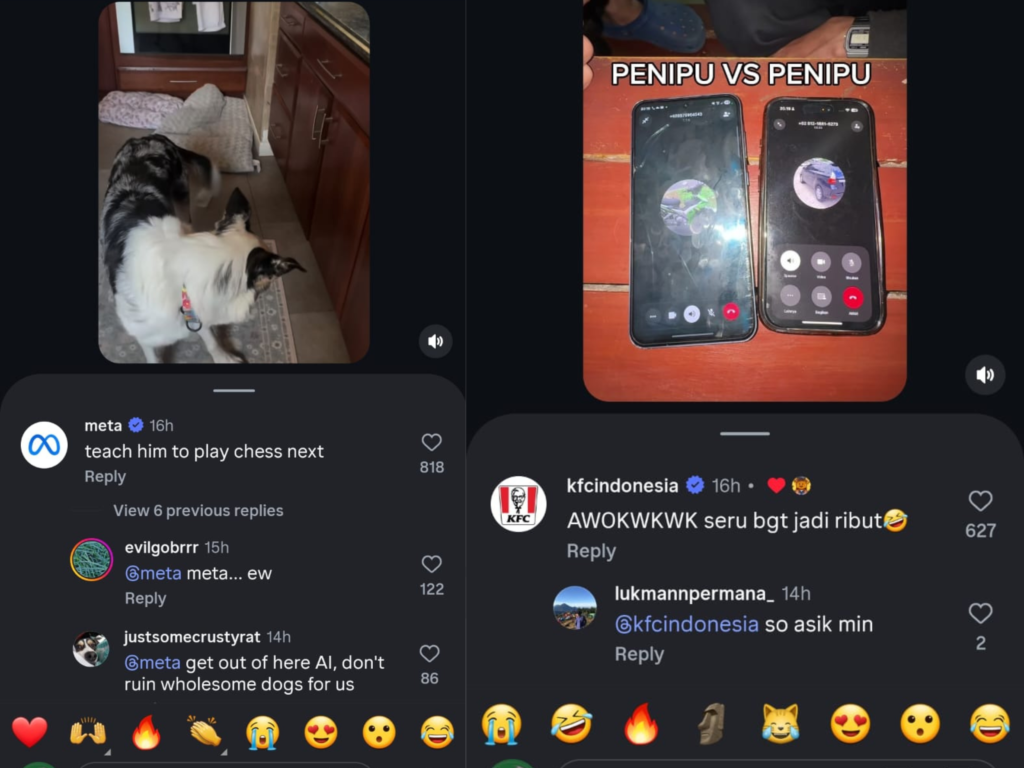
Now, anytime a controversial brand tries to make a funny comment, everyone is quick to remind them about their past, allowing for the most effective dogpile method on the internet. Once people start seeing themselves as “the little guys” fighting against the “big bad corporation”, everyone rushes to gang up on the “villain”. No one comes to your defense, and it’s hard to defend yourself without addressing those pesky, hard-to-deal-with controversies. And even if you’re not particularly controversial, people take one look at that official blue checkmark and might still dogpile you anyway.
So what now?
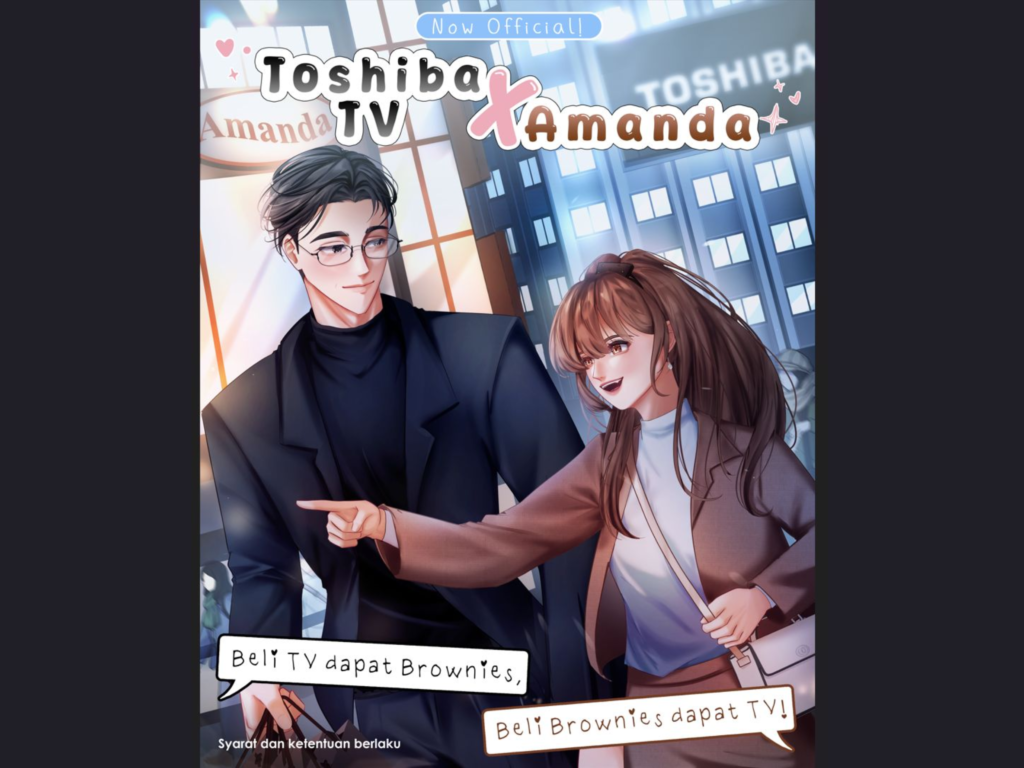
The thing is, social media marketing hasn’t completely died off. Relatively recently, the Twitter accounts for Amanda Brownies and Toshiba TV went viral for their dramatic one-sided love story, with Toshiba’s cool persona reduced to gallantly begging for Amanda’s attention while she continuously (and hilariously) brushes him off.
What makes them different? For one, neither Amanda Brownies nor Toshiba TV have any recent, hard-hitting controversies, which makes people more likely to support them. And two, they aren’t butting in on a viral TikTok or trying to ride the wave of another trend. What started as Amanda Brownies replying casually to a Tweet accusing them of being a money-laundering business seemed to organically spiral into its own trend. People joined in with fanart of their humanized designs and short comics because they were actually telling a fun and silly story, one that made people want to participate, instead of feeling like their space is being intruded on.
Though most of the other brands that tried to join in garnered the same reaction that most other social media brand accounts do: utter rejection. Because by that point, they were just riding the wave, hoping their names would also get mentioned and receive free marketing. As soon as netizens perceived them in that way, the social media marketing stopped working.
Moral of the story, social media marketing can still work. Brand accounts can still take advantage of the unique communication and storytelling methods that social media enables. But before you make an anime girl persona of your brand’s Twitter account, you need to make sure that:
- Your brand is starting with a relatively positive image (social media is not the best way to correct a bad image, lest you get absolutely dogpiled)
- Your social media persona suits your brand (to avoid that cringe factor of a multi-million dollar company pretending they’re a relatable Gen Z intern)
- And lastly, you’re not being lazy and trying to ride on a viral trend. Start your own!
Wendy’s style of social media marketing stopped being effective a while ago. The novelty wore off, people are tired of brands trying to be relatable, and social media is far more ready to cancel anyone they find mildly annoying. So don’t try to be the “quirky sarcastic social media brand account”. Be a storyteller with an interesting narrative that makes people want to join in.