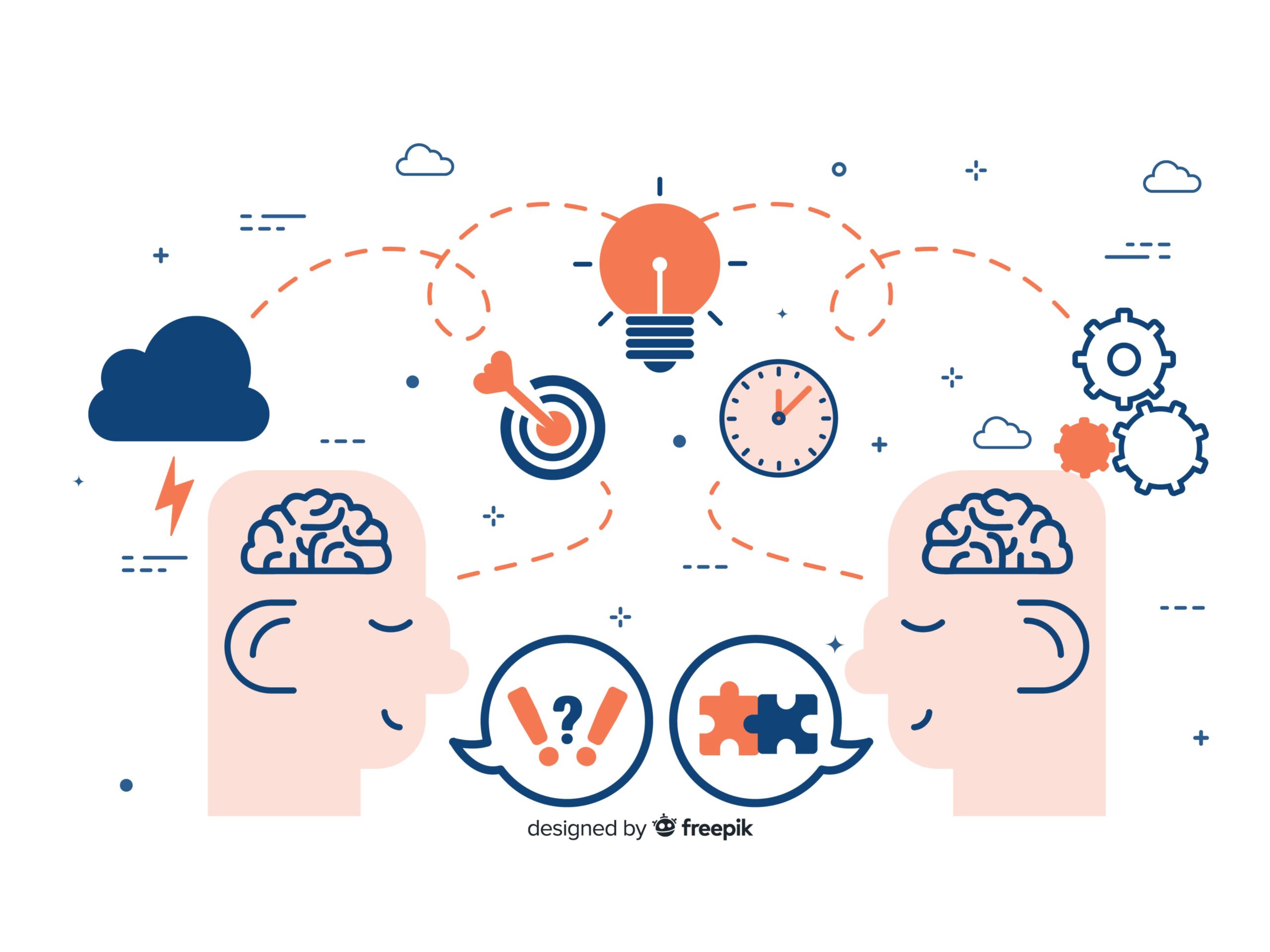


The Attention Trap: Why Your Brain Is Exhausted Before Lunch
Most people no longer work on one thing at a time. We answer emails during meetings, scroll through to-do lists while editing reports, listen to podcasts while replying to messages, and bounce between tabs so often that sitting with a single task feels almost uncomfortable. Focus, in the traditional sense, has started to feel unnatural. Not because we’ve lost the ability, but because the way we work now makes it nearly impossible to practice. And somehow, we’ve convinced ourselves this is what being good at our jobs looks like.
The Illusion of Productivity
Modern work culture has quietly made busyness into a personality. The faster you reply, the more engaged you appear. The more things you juggle, the more competent you seem. Visibility and responsiveness have become proxies for actual performance, so people stay online longer, switch between tasks constantly, and fill every quiet moment with something that looks like progress.
But the brain doesn’t work the way this system assumes it does. What feels like multitasking is actually rapid task-switching, and every switch carries a cost. Attention doesn’t teleport cleanly from one thing to the next. It drags. It leaves residue. You’re still half-thinking about the email while you’re supposed to be in the meeting, still processing the meeting while you’re editing the report. The cognitive load accumulates quietly, and by mid-afternoon, you’re exhausted without being able to explain why. We think fragmentation is efficient. In reality, it’s one of the most expensive habits a brain can have.
The Water Metaphor
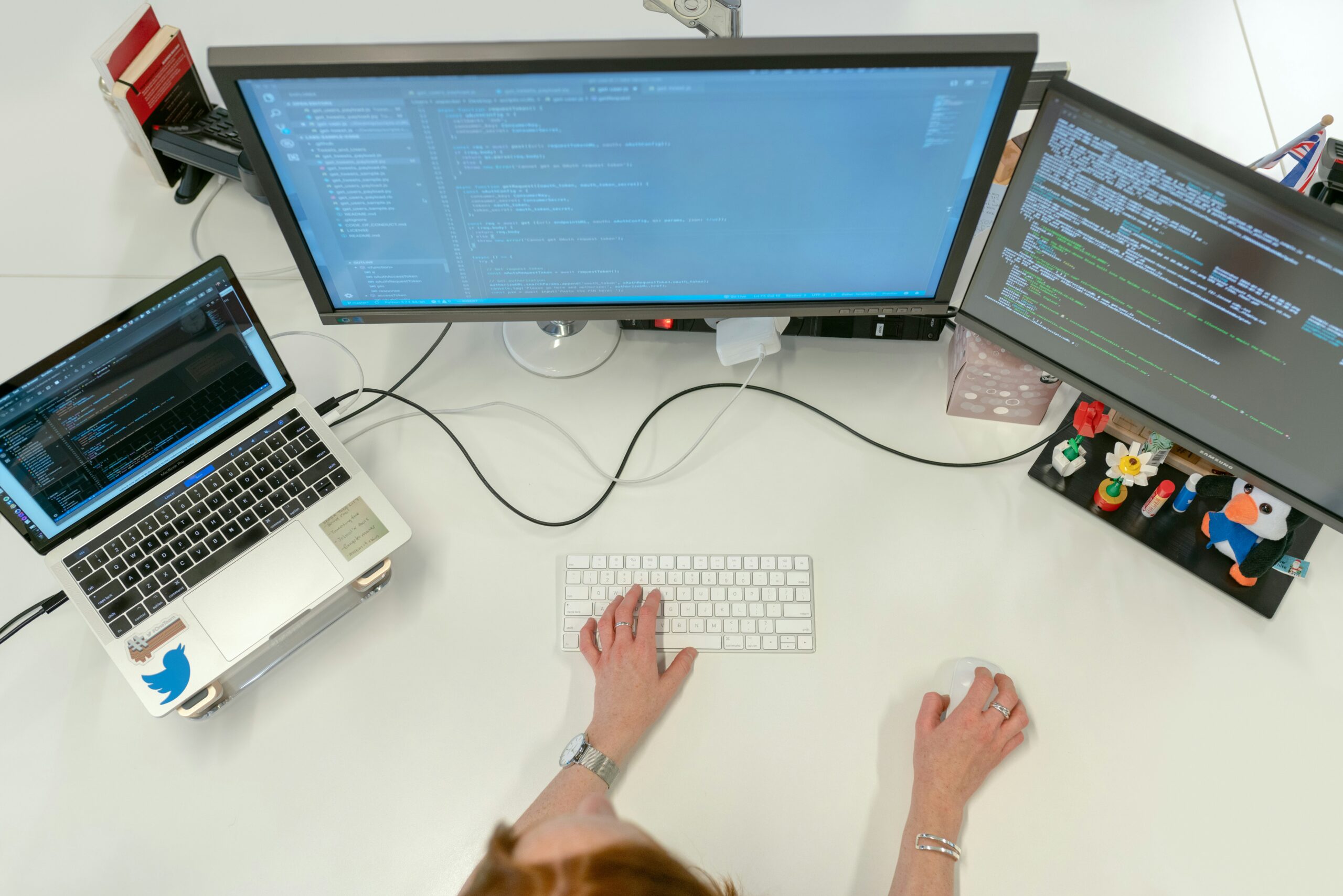
Leadership writer Brandi Olson compares multitasking to carrying water across a room. Imagine that we’re carrying water across a room, one full pitcher is manageable, steady, and controlled. Now split that same amount across twelve small cups. The volume of water hasn’t changed, but suddenly you’re stressed, slow, and something is already spilling.
That’s what fragmented attention feels like at work. The workload may not have changed, but the moment it gets broken across seventeen tabs, four ongoing projects, back-to-back meetings, and a notification every nine minutes, the cognitive cost multiplies. It’s not the amount of work that breaks people. It’s the constant interruption of it, the inability to ever fully settle into something long enough for it to feel manageable. Deep focus isn’t rare because people stopped caring about it. Modern work simply leaves very little room for it. And modern work schedules it almost entirely out of existence.
The Attention Economy Made It Worse
Another thing is that overload doesn’t clock out at 5 PM. Attention has become one of the most aggressively competed-for resources in modern life. Every app, platform, and notification is designed by teams of people whose entire job is to make sure you can’t look away. Short-form content rewires patience. Doomscrolling fills every silence. Algorithms are built to keep your eyes moving and your brain just stimulated enough to stay, but never calm enough to rest.
So by the time the workday ends, the brain hasn’t actually had a break. It’s been switched on, pinged, redirected, and stimulated for hours, and then handed a phone that continues doing exactly the same thing. The problem is no longer just that we work too much. It’s that our attention is never fully ours anymore.
The Emotional Cost Nobody Names
This is where it gets personal. Because when someone spends months operating in a state of constant fragmentation, the first thing they usually think is that something is wrong with them.
The focus won’t come. The motivation feels thin. Tasks that used to feel easy now require twice the effort. And instead of recognising that as the natural consequence of an overloaded system, most people internalise it as personal failure. They assume they’ve gotten lazier, less disciplined, somehow worse at their jobs. The guilt compounds the fatigue. The fatigue deepens the guilt.
But the brain didn’t fail the person. The environment failed the brain. Mental fatigue, burnout, the creeping inability to think deeply, that hollow feeling at the end of a day where you were technically busy for eight hours but can’t point to a single thing that felt meaningful, these aren’t character flaws. They’re symptoms of a system that runs on interruption and calls it productivity.
The Bigger Problem
Modern productivity culture mistakes accessibility for effectiveness. Constant availability gets rewarded. Instant replies signal dedication. Busyness performs competence. The system was built around visibility, responsiveness, and constant activity, while actual thinking became secondary.
Deep focus became rare as fragmentation turned into the norm. Protecting your attention now feels almost antisocial. Turning off notifications feels irresponsible. Single-tasking looks lazy. Saying “I need uninterrupted time to think” sounds like a complaint instead of a legitimate professional need. We built a culture that rewards interruption, then wondered why nobody can concentrate anymore.
A Different Way to See It

Maybe the reason everyone feels exhausted isn’t because people have suddenly become weaker or less disciplined. Maybe human attention was never designed to be divided this many ways at once.
A brain constantly interrupted can survive. It can keep functioning, keep switching, keep responding. But it struggles to fully think, to create, to rest, to do the kind of slow, deep work that actually moves things forward. And it definitely struggles to feel okay at the end of the day. The goal was never to do everything at once, but to do something well. At some point, those two things got confused, and now we’re all paying the price for it, one open tab at a time.